
Waterproof Laminate Flooring: Brands, Technology & Reviews
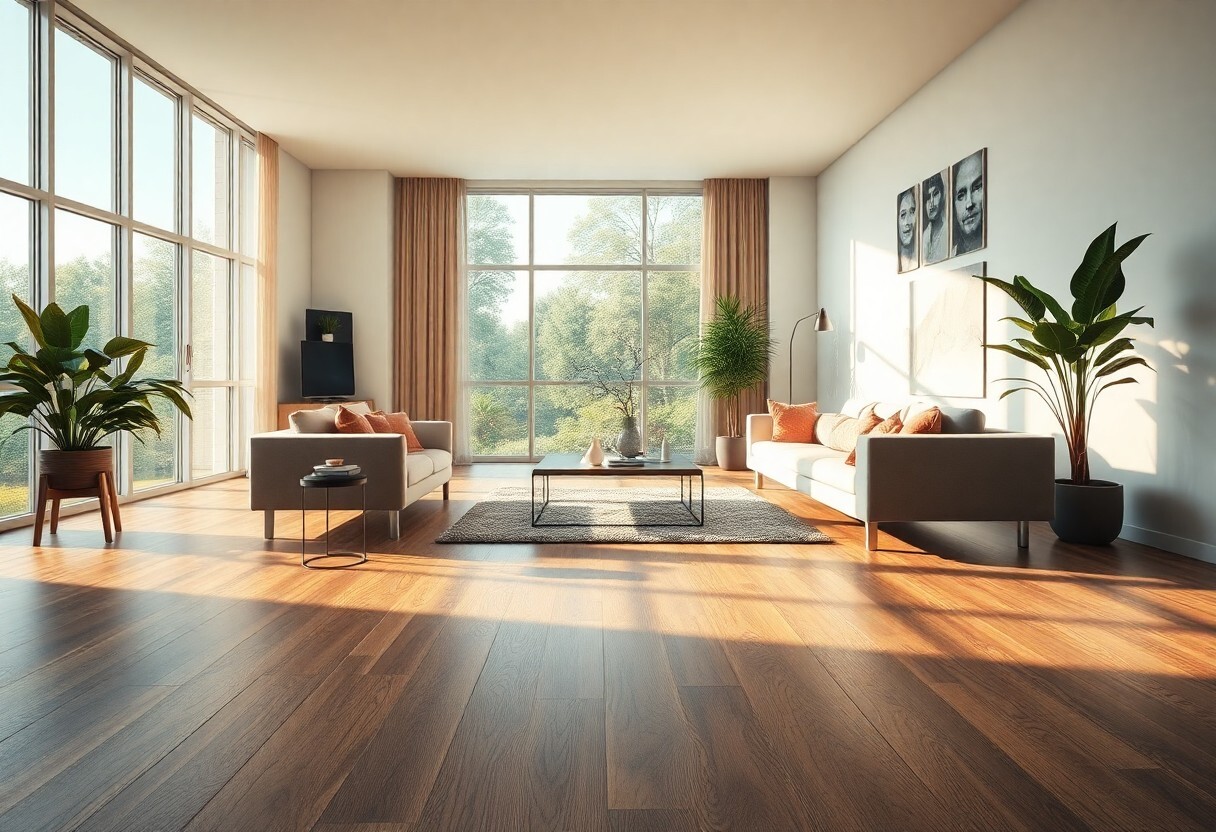
When you’re considering laminate flooring for rooms where spills happen regularly, understanding waterproof technology helps you avoid the swelling and damage that traditional laminate experiences. Waterproof laminate Flooring combines the visual appeal and durability of standard laminate with core materials engineered to resist moisture penetration.
How Waterproof Laminate Flooring Technology Works
Traditional laminate flooring uses a high-density fiberboard (HDF) core made from compressed wood fibers. This core absorbs water when exposed to moisture, causing the edges to swell and the planks to buckle. Waterproof laminate replaces the HDF core with materials that won’t absorb water.
WPC (Wood Plastic Composite) cores blend wood flour with plastic polymers, creating a rigid structure that resists water while maintaining the strength needed for a durable floor. The wood content provides rigidity and allows the material to feel similar to traditional laminate underfoot. The plastic component creates the waterproof barrier.
SPC (Stone Plastic Composite) cores use limestone powder combined with plastic, resulting in a denser, more rigid core than WPC. SPC cores provide superior dimensional stability and work well in areas with temperature fluctuations. The increased density means less flexibility, which some people prefer for a feeling closer to tile or hardwood.
The core material alone doesn’t make laminate waterproof. The edges where planks connect create potential entry points for water. Manufacturers apply waterproof coatings or sealants to these edges during production. Some systems use wax-based edge treatments, while others employ polymer coatings that create complete moisture barriers around each plank.
The locking mechanisms in waterproof laminate Flooring are designed to create tight joints that prevent water from seeping between planks. When properly installed, these systems keep water on the surface where it can be wiped away before causing damage.
Understanding Sealed Edge Systems
Sealed edges prevent water from entering the flooring at the joints where planks connect. This technology matters because even with a waterproof core, exposed edges can allow moisture to reach the subfloor or cause edge swelling if water sits in the seams.
Pre-sealed edges come treated from the factory. The manufacturer applies waterproof coatings during production, ensuring consistent coverage and eliminating the need for installers to apply sealants. Shaw’s Repel technology and Pergo’s WetProtect system both use factory-sealed edges.
Edge geometry contributes to water resistance. The angle and depth of tongue-and-groove connections affect how tightly planks fit together. Deeper grooves and tighter tolerances reduce the gaps where water can penetrate. Some systems use double-locking mechanisms that create two barriers against moisture.
Surface sealing complements edge protection. The top wear layer on the waterproof laminate Flooring is treated to resist water absorption. While this layer primarily protects against scratches and stains, it also prevents surface moisture from reaching the core through micro-cracks or manufacturing imperfections.
When you’re evaluating waterproof laminate, ask about the specific edge treatment system. Products with comprehensive sealing—top surface, edges, and backing—provide the most reliable water resistance for kitchen applications and other moisture-prone areas.
Shaw Waterproof Laminate Collections
Shaw produces waterproof laminate under their Repel line, which features both WPC core construction and sealed edge technology. The products come in multiple price points, from budget-friendly options to premium collections with enhanced features.
Core construction: Shaw’s waterproof laminate uses a rigid core that combines the stability of traditional laminate with moisture protection. The core thickness ranges from 8mm to 12mm, depending on the collection. Thicker cores provide better sound dampening and feel more solid underfoot.
Wear layer specifications: Shaw applies aluminum oxide wear layers in multiple thicknesses. Their basic waterproof products feature AC3 ratings suitable for moderate residential traffic. Premium lines offer AC4 and AC5 ratings that handle heavy residential and light commercial use.
Visual options: The company’s printing technology creates realistic wood grain patterns with synchronized embossing. This means the texture matches the printed grain, giving you surfaces that look and feel like natural wood. Color options range from light oak and maple tones to deep walnut and hickory.
Installation features: Shaw waterproof laminate uses their TruEdge technology for tight joint connections. The planks install with an angle-tap method that creates secure locks without requiring adhesives. Attached underlayment on select products simplifies installation and provides moisture barrier protection.
Warranty coverage: Shaw backs their waterproof laminate with residential warranties that include waterproof core protection. The warranties typically run 30 years to lifetime, depending on the specific product. Commercial warranties cover 10-15 years for qualified installations.
Price range: Shaw waterproof laminate Flooring costs $2.50-4.50 per square foot for materials. Professional installation adds $2-3 per square foot. A 200-square-foot room requires a material budget of $500-900 plus installation costs of $400-600.
Mohawk Waterproof Laminate Technology
Mohawk’s RevWood line represents its waterproof laminate Flooring offering. The products use WPC core construction with the company’s Hydroseal technology for comprehensive moisture protection.
Hydroseal protection system: This technology includes sealed edges, surface sealing, and a waterproof core. Mohawk applies moisture barriers to all four edges of each plank during manufacturing. The surface receives a topical sealant that prevents water from penetrating through the wear layer.
Core specifications: RevWood uses a WPC core that provides slightly more flex than SPC products. This creates a warmer feeling underfoot and reduces the hollow sound sometimes associated with floating floor installations. Core thicknesses range from 10mm to 12mm across different collections.
Performance ratings: Mohawk rates their waterproof laminate Flooring from AC3 to AC4, depending on the product line. The RevWood Plus collection features AC4 ratings with enhanced scratch and stain resistance. These ratings indicate the flooring can handle high-traffic residential areas without premature wear.
Design variety: Mohawk offers extensive style options in its waterproof laminate. The company’s Revolutions printing technology creates detailed wood grain patterns with multiple color variations within each plank. This variation mimics the natural color differences found in real hardwood.
Uniclic installation: Mohawk’s Uniclic system simplifies installation by allowing planks to lock together with a simple fold-down motion. This system reduces installation time and creates tight seams that resist water penetration. The method works well for DIY installations while maintaining professional results.
Warranty terms: RevWood comes with a lifetime residential waterproof warranty covering the core against water damage. Wear warranties run 30 years for residential installations. The company requires following specific care guidelines to maintain warranty coverage.
Cost considerations: Mohawk waterproof laminate Flooring ranges from $2.75-5.00 per square foot depending on the collection and features. This positions the brand in the mid to upper price range for waterproof laminate, reflecting the comprehensive protection systems and enhanced visual quality.
Pergo Waterproof Laminate Flooring Options
Pergo pioneered laminate flooring in 1977 and now produces waterproof versions that maintain the brand’s reputation for quality and innovation. Their WetProtect technology appears across multiple product lines.
WetProtect system: Pergo’s waterproof protection includes surface sealing, edge sealing, and a water-resistant core. The company tests their products by submerging them in water for 72 hours without causing damage. This testing exceeds typical warranty requirements and demonstrates real-world performance capability.
Visual authenticity: Pergo’s Embossed in Register (EIR) technology creates textured surfaces that precisely match printed grain patterns. The result is flooring that feels like real wood when you walk barefoot or run your hand across the surface. The company offers distressed, hand-scraped, and smooth finishes.
Performance specifications: Pergo waterproof laminate carries AC3 to AC5 ratings. Their premium TimberCraft and Extreme collections feature AC5 ratings suitable for commercial applications. These products work well in busy households with children and pets.
Pricing structure: Pergo waterproof laminate Flooring costs $3.00-5.50 per square foot for materials. The brand positions itself as a premium option with slightly higher prices than budget alternatives but comprehensive protection systems and strong warranties. Professional installation adds $2-4 per square foot, depending on job complexity.
AC Rating Guide for Waterproof Laminate
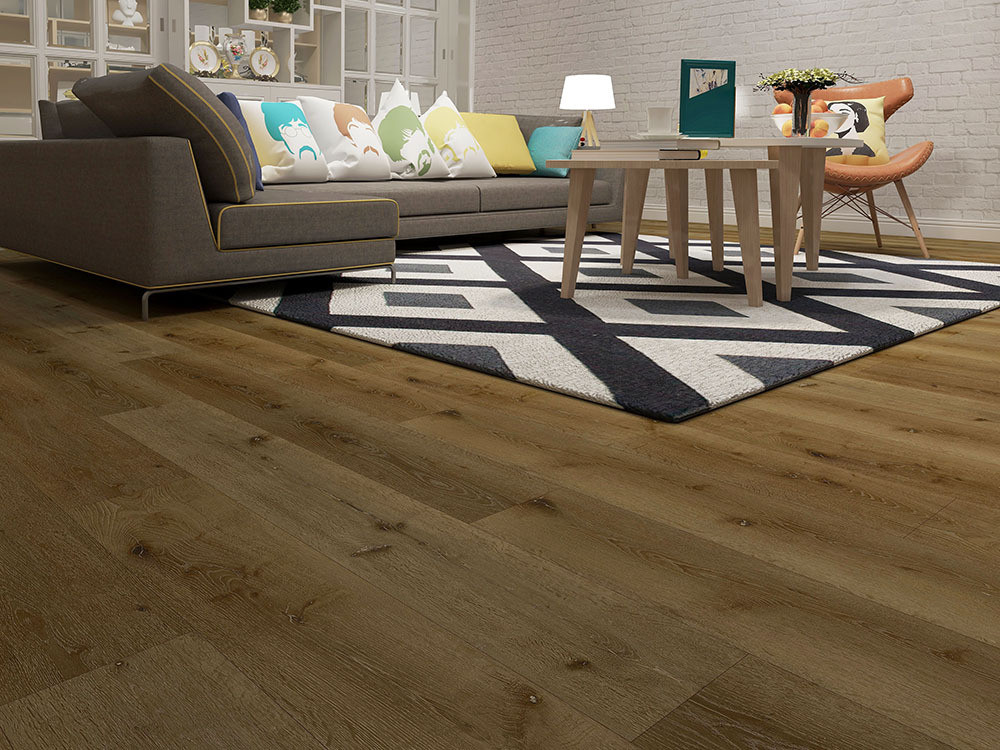
AC (Abrasion Criteria) ratings measure laminate flooring’s durability and resistance to wear, scratches, and impact. These ratings help you match products to your specific traffic levels and usage patterns.
AC3 (Moderate Residential) handles normal foot traffic in areas like bedrooms, home offices, and secondary living spaces. The wear layer resists scratches from light furniture movement and occasional dropped objects. AC3-rated waterproof laminate works well for rooms with moderate activity but isn’t recommended for main entryways or heavy-traffic kitchens.
AC4 (Heavy Residential/Light Commercial) provides enhanced durability for high-traffic areas, including main living rooms, kitchens, and hallways. This rating indicates the flooring can handle daily activity from busy families, frequent furniture rearrangement, and heavier foot traffic. AC4 waterproof laminate suits most residential applications where durability matters.
AC5 (Heavy Commercial) offers maximum wear resistance for commercial environments and extremely active households. The wear layer thickness and surface treatment resist scratches from rolling chairs, wheeled carts, and constant foot traffic. AC5-rated products cost more but provide the longest lifespan in demanding conditions.
The AC rating doesn’t measure water resistance—it specifically addresses wear layer durability. A product can have excellent water resistance from its core and edge sealing while having only moderate scratch resistance if it carries a lower AC rating.
When selecting waterproof laminate for your home, match the AC rating to your room’s traffic level. Kitchens benefit from AC4 or AC5 ratings because of the combination of water exposure and heavy use. Bedrooms and guest rooms work well with AC3 ratings since they experience less wear despite needing waterproof protection in certain situations.
Customer Experience and Real-World Performance
Homeowners report that waterproof laminate Flooring performs well in kitchens where traditional laminate would fail. The most common praise focuses on peace of mind—not worrying about spills damaging the floor—and the realistic wood appearance that waterproof technology provides.
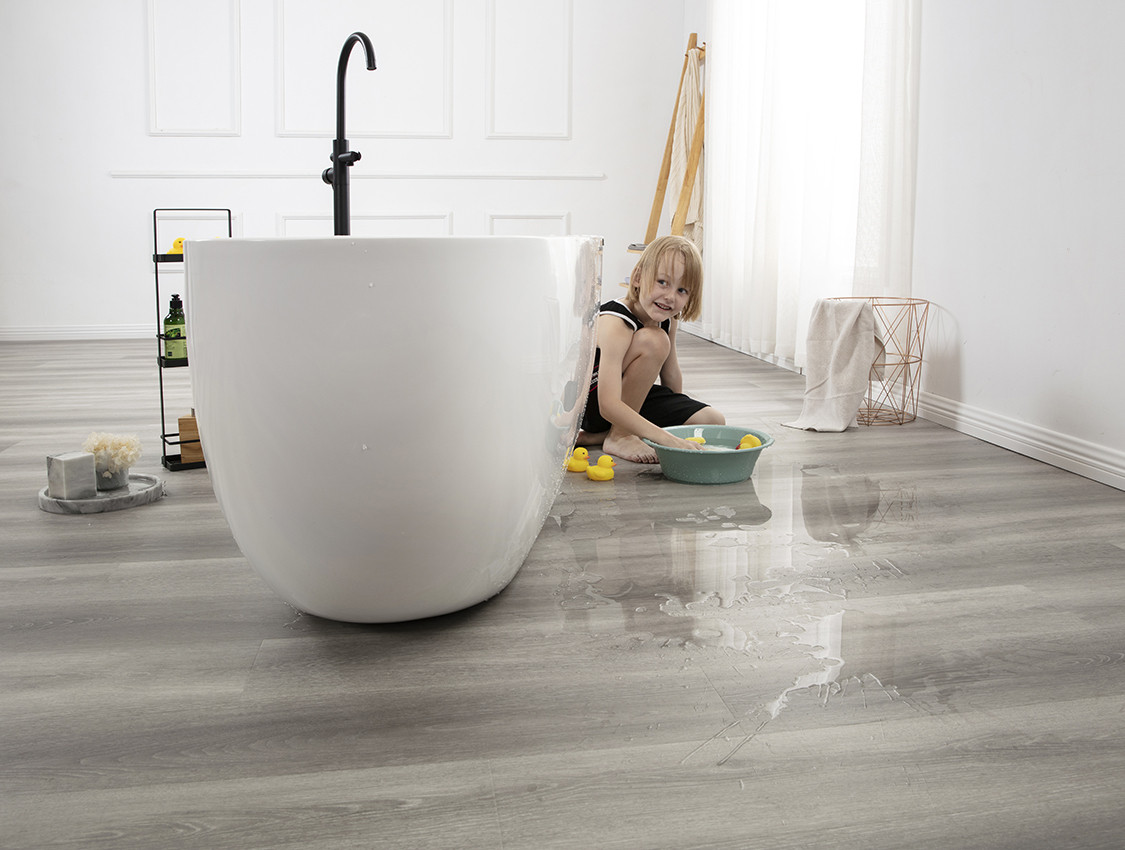
Spill performance: Users confirm that water spills, including those left unattended for several hours, don’t cause the edge swelling that damages traditional laminate. Families with young children appreciate being able to clean up at their convenience rather than rushing to wipe every spill immediately.
Installation feedback: DIYers report that waterproof laminate installs similarly to traditional laminate, with most people completing average rooms in a day. The main installation challenge involves maintaining proper expansion gaps around the perimeter, which matters for all floating floor installations regardless of water resistance.
Comfort and feel: Most reviews note that waterproof laminate feels slightly softer than traditional laminate, particularly products with WPC cores. This creates a more comfortable surface for standing while cooking or doing dishes. The attached underlayment found on many products contributes to this improved feel.
Visual satisfaction: Homeowners consistently rate the appearance of modern waterproof laminate highly. The printing and embossing technology creates convincing wood looks that satisfy people who want hardwood aesthetics without the maintenance requirements or water sensitivity.
Durability concerns: Some users with AC3-rated products in high-traffic areas report surface scratches after a few years. These reviews emphasize the importance of matching AC ratings to actual usage levels rather than choosing the least expensive option.
Comparison to luxury vinyl: Homeowners who compared waterproof laminate to luxury vinyl plank note that laminate typically feels firmer and more like traditional hardwood. LVP provides slightly better water resistance but may show dents from heavy furniture more readily than rigid core laminate.
Price Comparison Across Brands
Understanding pricing helps you budget effectively and recognize which features justify higher costs. Waterproof laminate pricing reflects core type, AC rating, wear layer thickness, and visual quality.
Budget range ($2.00-3.00/sq ft): Entry-level waterproof laminate typically features 8mm thickness, AC3 ratings, and basic wood-look visuals. These products provide reliable water resistance for light to moderate use areas. Brands in this range include store-brand products from major retailers and some manufacturers’ economy lines.
Mid-range ($3.00-4.50/sq ft): Most quality waterproof laminate from major brands falls in this category. You’ll find 10-12mm cores, AC4 ratings, enhanced visuals with synchronized embossing, and attached underlayment. Shaw, Mohawk, and Pergo’s standard collections typically occupy this price range.
Premium range ($4.50-6.00/sq ft): Top-tier waterproof laminate Flooring features AC5 ratings, advanced locking systems, superior sound dampening, and the most realistic wood visuals. Thicker products (12mm+) with commercial-grade wear layers cost more but provide extended lifespan in demanding applications.
Installation costs: Professional installation adds $2-4 per square foot, depending on room configuration, subfloor condition, and labor rates in your area. Complex patterns like herringbone or diagonal installations cost $1-2 more per square foot than straight lay patterns.
Total project costs: For a 300-square-foot kitchen, expect material costs of $900-1,800 and installation costs of $600-1,200, bringing total project costs to $1,500-3,000. This positions waterproof laminate as a mid-range option—more expensive than basic laminate but less costly than quality hardwood or high-end luxury vinyl.
The price differences between brands often reflect warranty terms, customer service quality, and product availability rather than dramatic performance gaps. Shaw, Mohawk, and Pergo all produce reliable waterproof laminate, with specific collections appealing to different aesthetic preferences and budget requirements.
Making Your Waterproof Laminate Selection
Assessing Your Needs
Start by evaluating which rooms need waterproof protection. Kitchens, dining rooms, and mudrooms benefit most from waterproof laminate’s combination of moisture resistance and durability. Bathrooms work better with luxury vinyl or tile because of extended water exposure.
Consider your traffic levels realistically. A busy family kitchen with children and pets needs AC4 or AC5 ratings even if a waterproof core alone would handle the moisture. Match both water resistance and wear resistance to your actual usage.
Comparing Samples
Visit our showrooms in Asheville or Hendersonville to see waterproof laminate samples in person. The differences between brands become apparent when you see multiple options together—color depth, grain detail, and surface texture vary noticeably.
Take samples home before deciding. View them in the rooms where they’ll be installed, under natural light and evening lighting. Place them against your cabinets, countertops, and existing flooring to ensure the color works with your space.
Evaluating Long-Term Value
Waterproof laminate typically lasts 15-20 years in residential settings when properly maintained. Higher-rated products (AC4 and AC5) maintain their appearance longer than AC3 options. Calculate the annual cost by dividing total project cost by expected lifespan—a $2,400 kitchen floor that lasts 18 years costs $133 per year.
Compare this to traditional laminate requiring replacement after water damage, or luxury vinyl at potentially higher initial cost. The value proposition depends on your specific situation and how long you plan to stay in your home.
Installation Timing and Process
Waterproof laminate Flooring requires minimal acclimation—usually 48 hours with boxes opened in the installation room. This allows for quicker project completion than traditional hardwood requiring longer acclimation periods. Most installations complete in 1-2 days depending on room size and complexity.
Our professional installation includes subfloor preparation, moisture barrier placement when needed, and proper expansion gap spacing. The lifetime installation warranty we provide at Leicester Flooring covers workmanship and ensures your waterproof laminate Flooring performs as intended for years to come.
Choosing Waterproof Laminate Flooring in Asheville and Hendersonville
For help selecting the right waterproof laminate for your home, schedule a free consultation with our flooring specialists. We’ll show you samples from Shaw, Mohawk, and Pergo, explain the differences in core construction and AC ratings, and recommend products that match your specific needs and budget. Our 50 years of experience serving Asheville and Hendersonville families means we understand the local climate challenges and can guide you to flooring that performs well in Western North Carolina homes.